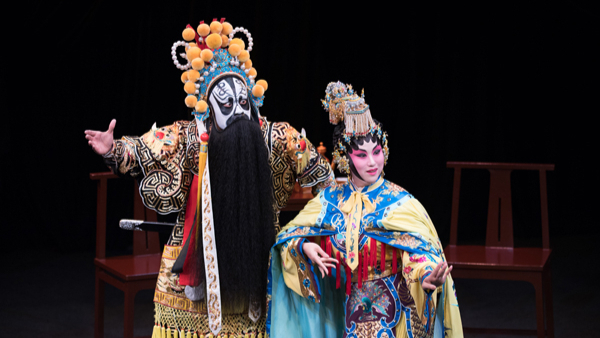
Xiang Yu
Introduction
Xiang Yu, also known as Xiang Ji, was a prominent military leader and political figure during the late Qin Dynasty (221-206 BC). He is best known for leading the rebellion against the Qin Dynasty, which ultimately led to its downfall. Xiang Yu emerged as one of the most powerful warlords in the Chu-Han Contention, a power struggle between him and Liu Bang, who later became the first emperor of the Han Dynasty. Xiang Yu's life and tragic relationship with his beloved concubine, Yu Ji, have been immortalized in various cultural forms, including traditional Chinese operas such as "Farewell My Concubine."
Early Life
Xiang Yu was born in 232 BC in the Xiang family, which was part of the Chu state nobility. He grew up during a tumultuous period in Chinese history marked by the decline of the Qin Dynasty, which had unified China through conquest but was widely unpopular due to its harsh rule. Xiang Yu's upbringing in a noble family provided him with a military education, where he demonstrated exceptional skills in combat and strategy. Despite his noble lineage, he experienced the oppressive policies of the Qin Dynasty firsthand, which fueled his desire to overthrow the regime and restore the Chu Kingdom to its former glory.
Rise to Power
Xiang Yu's rise to power began with his participation in the rebellion against the Qin Dynasty. Along with his uncle Xiang Liang, he gathered an army to challenge the Qin forces. Xiang Yu proved to be a formidable leader, known for his bravery and tactical acumen in battle. His initial victories against Qin forces elevated his status and attracted more followers to his cause. As the rebellion gained momentum, Xiang Yu emerged as a key figure in the coalition of forces opposing the Qin Dynasty.
Reign and Achievements
Establishment of Chu Kingdom
Following the collapse of the Qin Dynasty, Xiang Yu proclaimed himself the King of Western Chu. He attempted to restore the former territories of the Chu state and consolidate power. Xiang Yu's rule was marked by his efforts to re-establish the Chu Kingdom as a dominant power in the region. He redistributed land among his followers and loyal generals, ensuring their support and allegiance. Despite his efforts, his reign faced challenges from rival warlords, particularly Liu Bang, who sought to establish the Han Dynasty.
Key Battles and Strategies
Xiang Yu is renowned for his military prowess and strategic brilliance. One of his most significant victories was the Battle of Julu, where he defeated a larger Qin army, showcasing his ability to outmaneuver and overpower his opponents. However, his strategies were not without flaws. His decision to engage in a prolonged conflict with Liu Bang during the Chu-Han Contention ultimately led to his downfall. Despite having superior forces and early successes, Xiang Yu's failure to capitalize on his advantages allowed Liu Bang to gradually gain the upper hand.
Downfall and Death
Xiang Yu's downfall was precipitated by his inability to decisively defeat Liu Bang. The prolonged conflict drained his resources and weakened his position. In the final stages of the Chu-Han Contention, Xiang Yu found himself surrounded by Liu Bang's forces at the Battle of Gaixia. Realizing the inevitability of his defeat, Xiang Yu chose to end his life rather than face capture. In a tragic farewell, he bid goodbye to his beloved concubine, Yu Ji, who also took her own life. Xiang Yu's death marked the end of the Chu Kingdom and paved the way for the establishment of the Han Dynasty.
Historical and Cultural Influence
Xiang Yu's legacy endures in Chinese history and culture. He is remembered as a tragic hero, symbolizing courage, honor, and the fleeting nature of power. His story has been retold through various art forms, including traditional Chinese opera, literature, and film. The opera "Farewell My Concubine," which depicts the poignant farewell between Xiang Yu and Yu Ji, remains a classic in Chinese performing arts. Xiang Yu's life and struggles continue to captivate audiences, reflecting universal themes of love, loyalty, and the relentless pursuit of power.








